New AI Voice Course Mentoring: courses that call you to practise what you learn. See how it works →
Overcoming Imposter Syndrome: Practical Strategies, Mind Mentor

Mind Mentor

Coming soon

Overcoming Imposter Syndrome: Practical Strategies

Course

5 modules 15 lessons Free Lifetime access Free preview
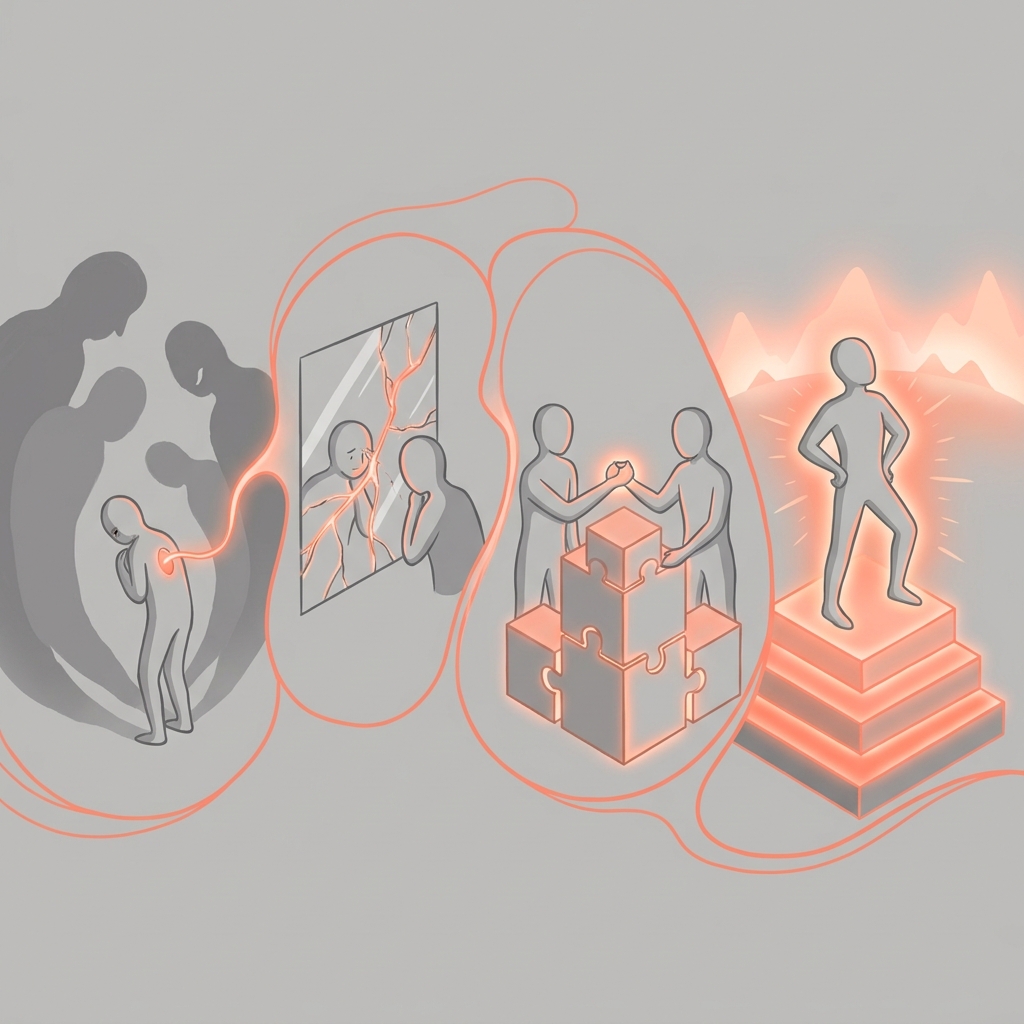
In this course you will learn what the imposter experience really feels like and why it shows up even when you are clearly capable. You will see how self‑doubt can be put into perspective by comparing it with real evidence of your work, and how normalising the feeling can loosen its grip. By the end you will have a clear picture of your own pattern, whether you have just started a new role, belong to a minority group or simply set very high standards for yourself. The practical part of the course gives you tools to collect and display proof of your competence without feeling like you are bragging. You will practise quieting the inner critic, using self‑compassion as a performance skill, and taking visible, courageous actions before you feel 100 % ready. The final module helps you stitch these habits into a personal resilience plan, so you can move from perfectionism to steady progress and keep the imposter voice at bay.
Topics Imposter Syndrome Self‑Compassion Confidence Building Performance Anxiety Resilience

What's inside

5 modules · 15 lessons · first lesson free to preview

What Imposter Syndrome Is—and Is Not Defines imposter syndrome as a pattern of self-doubt and fear of being exposed despite evidence of competence. Distinguishes it from humility, healthy learning discomfort, and genuine skill gaps. Could use a myth-versus-reality comparison table, brief scenarios, and a key-takeaways checklist.
Why Capable People Feel Like Frauds Explores common drivers including perfectionism, attribution bias, comparison, high-stakes environments, and new-role uncertainty. Introduces the idea that these feelings are common rather than proof of inadequacy. Could include an explanatory diagram, reflective prompts, and normalising callouts. Unlocks on purchase
Recognise Your Personal Imposter Pattern Helps learners identify their recurring triggers, inner narratives, emotional signals, and avoidance or overwork behaviours. Could include a self-observation worksheet, pattern examples, and a practical trigger-mapping table. Unlocks on purchase
New Roles, New Standards, and the Learning Curve Addresses imposter feelings when starting a job, being promoted, changing careers, or taking on visible responsibilities. Reframes early uncertainty as an expected part of competence development. Could include a first-90-days timeline, realistic examples, and a progress checklist. Unlocks on purchase
The Comparison Trap and Visibility Pressure Shows how selective comparison, social media, performance metrics, and being underrepresented can distort perceptions of capability. Could include side-by-side examples of visible success versus unseen effort, plus boundary-setting tips. Unlocks on purchase
Identity, Belonging, and Systemic Pressures Explores how minorities and underrepresented professionals may experience heightened scrutiny, stereotype threat, or isolation. Validates structural factors while identifying supportive actions and resources. Could use inclusive case studies, a ‘what is in my control’ framework, and supportive-langu Unlocks on purchase
Build an Evidence File Provides a step-by-step method for collecting accomplishments, positive feedback, solved problems, skills used, and lessons learned. Could include a reusable evidence-file template, sample entries, and prompts for gathering overlooked evidence. Unlocks on purchase
Make Achievements Visible Without Bragging Teaches learners to describe impact clearly in performance reviews, interviews, meetings, and professional profiles. Covers the difference between factual self-advocacy and exaggeration. Could include before-and-after wording examples, an impact statement formula, and a checklist. Unlocks on purchase
Evaluate Feedback and Mistakes Fairly Shows how to receive praise without dismissing it and treat constructive feedback as data rather than a verdict on worth. Could include a feedback-sorting table, reframing examples, and a short post-mistake review process. Unlocks on purchase
Name the Inner Critic Story Helps learners identify recurring thoughts such as ‘I only got lucky’ or ‘Soon people will find out.’ Introduces thought-labeling and externalisation techniques that reduce automatic belief. Could include a thought-record template, sample internal dialogues, and a tip box on choosing neutral languag Unlocks on purchase
Reframe Thoughts With Balanced Evidence Teaches a practical process for checking assumptions, identifying distortions, and creating credible alternative interpretations. Avoids forced positivity by focusing on accurate, evidence-based thinking. Could include a three-column reframing exercise, common distortion examples, and a quick-refere Unlocks on purchase
Use Self-Compassion as a Performance Skill Explains how self-compassion supports resilience, learning, and sustainable achievement rather than lowering standards. Could include a short guided practice, compassionate reframe scripts, and a ‘what I would tell a colleague’ exercise. Unlocks on purchase
Move From Perfectionism to Progress Identifies perfectionistic rules that lead to procrastination, overpreparation, or reluctance to share work. Provides practical standards for deciding what ‘good enough’ means in different situations. Could include a perfectionism-to-progress comparison table, prioritisation prompts, and a completio Unlocks on purchase
Practice Courageous, Visible Actions Guides learners to take appropriately challenging actions such as asking questions, contributing ideas, requesting feedback, or applying for opportunities. Could include a graded action ladder, scripts for common workplace situations, and planning prompts for one small experiment. Unlocks on purchase
Create a Personal Imposter-Resilience Plan Brings together evidence collection, thought reframing, support systems, and behavioural experiments into a realistic ongoing plan. Could include a one-page action-plan template, weekly review checklist, and warning signs that indicate additional professional support may be helpful. Unlocks on purchase

Coming soon

This course is still being finished. Tell us you want it and we will let you know when it opens.

Express Interest